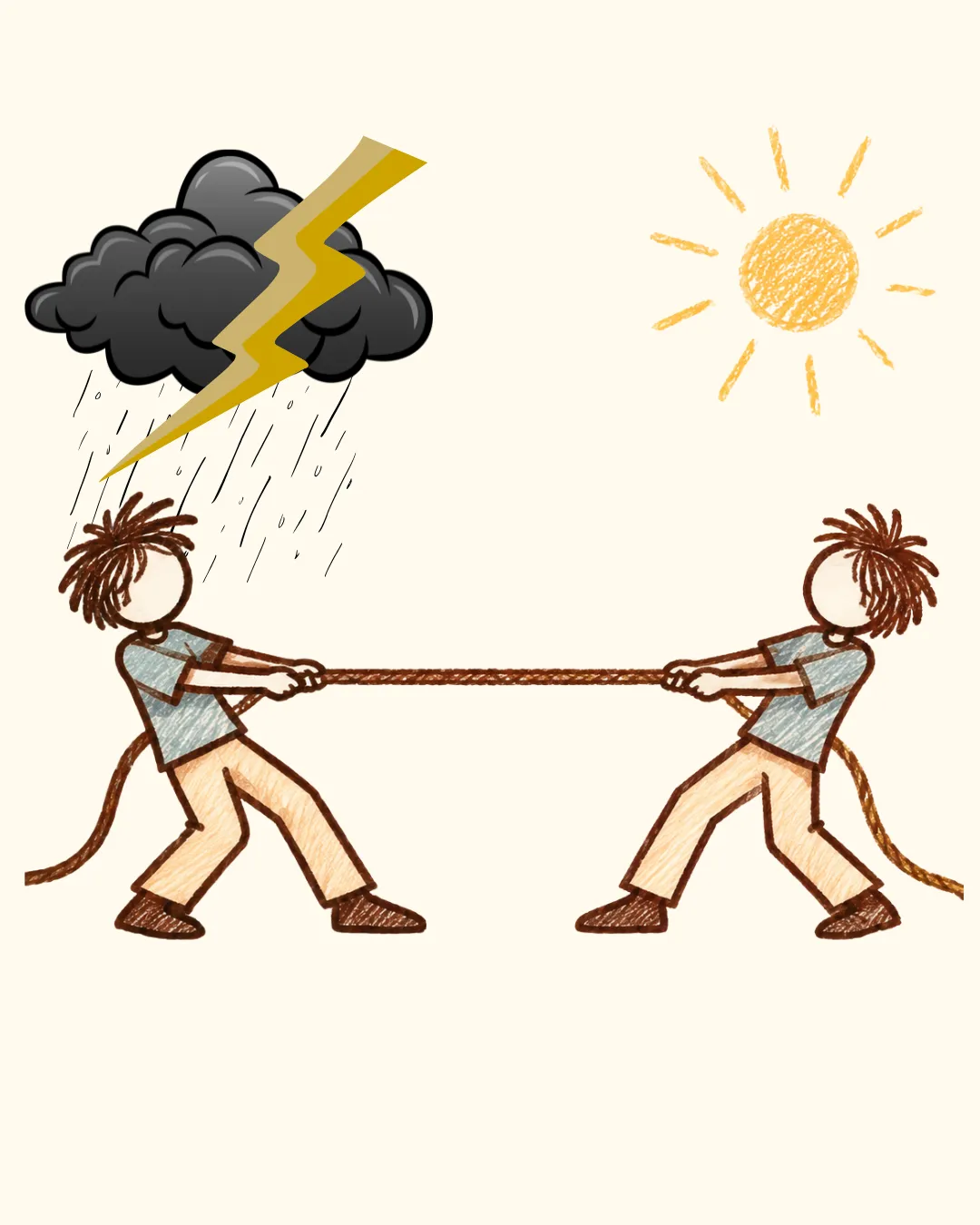
When you’ve spent most of your life responding to certain situations or people around you in the same way, it’s not easy choosing a different approach.
Even when you really want the outcomes change will bring, something inside seems to resist.
Resistance is a protective response to threat. It defends our autonomy and identity, and protects us from physical or emotional pain.
So why, then, do we resist opportunities to change aspects of ourselves that we know are holding us back from reaching the outcomes we want in our lives? Those habitual behaviours that keep the same relationship patterns recurring; or mean we are continually burnt out because we don’t know how to say No. Maybe we resist opportunities to go for that dream job, despite being disengaged and unfulfilled in our current role.
Is it just a case of ‘better the devil you know’ - feeling more comfortable with what is familiar to us, even if it prevents us from progressing beyond the cyclical patterns we create? Maybe we stay where we are because moving feels too risky.
But working toward shifting a behavioural habit is positive. It’s low risk, right? To our rational, conscious mind maybe, but conscious thought is only the tip of the iceberg. Below the surface has a different vantage point - and it's there resistance circles, and pulls us back when we want to move forward.
Some years ago, I went through a period of feeling physically burnt out and emotionally spent, struggling to find the energy to juggle all that life demanded from me at the time. I felt a sense of shame, that I was failing. In one session, my therapist asked me a question that completely reframed the way I looked at it: ‘What is it about changing the situation that you fear’?
At first I didn’t understand the question. How could I change things that were beyond my control? I was firmly ensconced somewhere between victimhood and martyrdom. It hadn’t occurred to me I had the power to do anything about it, let alone that I was afraid of doing so.
That question was confronting because it no longer allowed me to be a passive victim of circumstance - it was an invitation to take action. One solution was simply to ask for help. I imagined myself doing that, and felt immediately resistant to the idea. I didn’t like the space I was in. But staying there somehow felt less safer than changing it. I found the fear.
For me, asking for help meant losing my sense of independence - I was proud of my island status. I was afraid friends would no longer see me as someone capable, ‘strong’, a woman who got on with it and did it well. I was often flattered with comments like ‘you’re amazing, I don’t know how you manage everything’. They validated me. And created a prison, because to ask for help meant revealing my un-amazing, not-managing. That realisation changed everything for me. Over the next few days I bit the bullet and confessed my struggle and fears to a few close friends. And instead of feeling diminished as I feared, I felt supported. It was all I needed.
Over the years, talking to people with very different challenges I’ve found where there is resistance to change, the same formula almost always applies: if we are resisting taking action to change something that is negatively impacting our lives, it is because changing it carries with it a greater threat.**
So instead of being hard on yourself for not changing, ask yourself what’s stopping you.
Perhaps going for that dream job incites a fear of failure.
Or you’ll agree to hosting the entire family over the holidays, yet again, because you’re afraid of losing your identity as the organiser, the person you can count on, if you say no.
Maybe you still won’t allow yourself to be vulnerable with your new partner because you are terrified of being rejected, even though not doing so led to your last break up...
Now ask yourself:
How many times in your life have you worried about something that might happen? How often did it eventuate? And the times it did - How often did you survive?
Maybe I can answer that one for you, because if you’re reading this…. You survived every time!
So when you think about it, maybe staying where you are isn’t the low-risk option after all….
Mish www.eudaia.com.au
**Coaching helps people address behavioural habits that get in the way of reaching their goals. The advice in this post does not apply to everyone, some people are genuinely constrained from changing their situation — by lack of support, financial dependence, physical threat, or other circumstances entirely beyond their control. If you're in that situation, this isn't something to work through alone. Help is available. 1800RESPECT (1800 737 732) and Lifeline (13 11 14) can talk it through with you and connect you to the right support. In an emergency, call 000.
Mish is a passionate explorer of the human experience and life coach, helping people understand the mechanisms behind the choices and behaviours that inhibit our ability to achieve the outcomes we want across all areas of our life.